Breaking the building blocks fungi depend on.
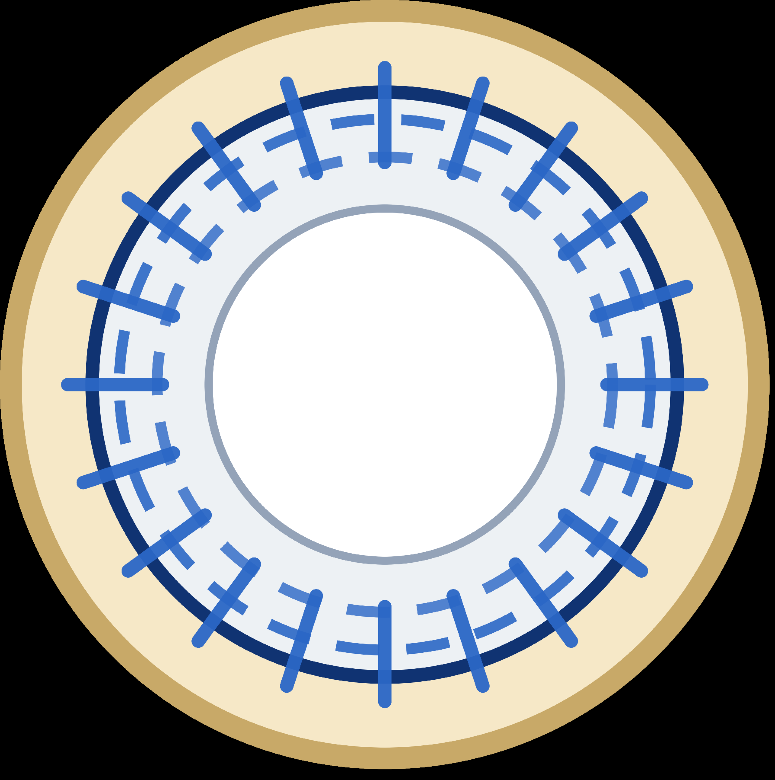
MycaZED targets chitin synthesis — a structural pathway fungi use to construct and reinforce their cell walls, and one current systemic antifungals do not target.
Modern medicine extends survival. It also expands vulnerability to severe fungal disease.
An estimated 6.5 million invasive fungal infections occur each year. As more patients survive life-threatening illness and intensive treatment, more live with the immune compromise, damaged lungs, and physiologic vulnerability that serious fungi exploit. Resistance, toxicity, drug interactions and limited treatment options can then turn fungal infection into a major complication of already complex care.
Different drugs. Too few targets.
Azoles
Block ergosterol synthesis. Foundational therapy, with clinically important resistance in major pathogens.
Polyenes
Bind fungal membrane sterols. Broad activity, but toxicity can constrain use.
Echinocandins
Target β-glucan synthesis. Important agents, but not a complete answer across yeasts and moulds.
Emerging agents
Add needed options, while serious fungal disease still depends on a relatively narrow set of biological pathways.
Resistance can compromise drugs within a class — and some pathogens arrive resistant to multiple classes. At the same time, antifungal development has lagged the growing clinical need, leaving a narrow therapeutic toolbox for increasingly complex patients.
That gap is attracting renewed attention from specialist developers, public-health programs and non-dilutive funding channels.
Disrupt the fungal wall at its scaffold.
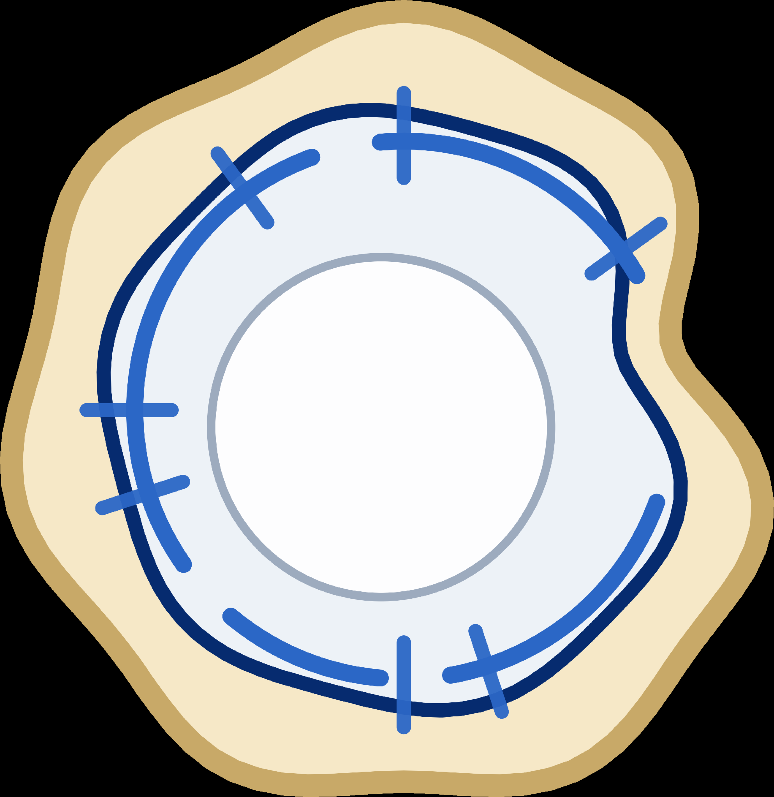
Fungi use chitin to construct and reinforce their cell walls. MycaZED inhibits the enzyme that synthesizes this structural scaffold — a target humans do not possess and current systemic antifungals do not use. Disrupting it weakens the fungal wall and creates a mechanistically distinct route to antifungal activity.
Twenty years of de-risking. A platform already expanding.
One differentiated antifungal mechanism, advancing across multiple serious fungal pathogens.
| Program | Role in the platform | Evidence position | Stage | Next value inflection |
|---|---|---|---|---|
| Valley Fever / Coccidioidomycosis | Most mature translational proof for the platform. | Animal efficacy; human safety/PK; established regulatory history. | Clinical-stage | Generate human efficacy data in the lead indication. |
| Invasive Aspergillosis | Expansion into high-need invasive mould disease. | Mechanistic and preclinical evidence. | Preclinical | Complete IND-enabling and regulatory work. |
| Invasive Candidiasis / C. auris | Expansion into invasive yeast disease and multidrug resistance. | Preclinical program; evidence strength varies by species and model. | Preclinical | Prioritize indication and build the translational package. |
| Platform extensions | Additional fungal diseases where chitin biology and unmet need align. | Evidence mapping and prioritization. | Research | Select programs with a defensible biological and development rationale. |
The platform is being advanced indication by indication, matching biological evidence with clinical need and a credible development path.
Advance the programs. Expand the platform.
The next stage converts prior safety and translational work into two meaningful value inflections: human efficacy in the lead program and IND readiness for the first invasive-fungal expansion. Together, those milestones strengthen the platform for strategic and non-dilutive development partnerships.
Human efficacy
Move the most mature program from completed Phase 1 work toward a controlled clinical efficacy readout.
Aspergillus IND readiness
Complete the preclinical, regulatory, and product-development work required to define a credible clinical path in invasive aspergillosis.
Partnerable milestones
Use clearer clinical and regulatory evidence to support larger non-dilutive programs and strategic development discussions.
Different partners solve different development constraints.
MycaZED is building relationships around defined clinical and regulatory milestones — not a generic ecosystem story.
Institutional investors
Capital matched to clinical and regulatory value inflections.
Patient advocacy groups
Patient priorities, disease awareness, and trial-community engagement.
Fungal care centers & hospitals
Clinical expertise, trial sites, and access to difficult-to-treat populations.
Strategic & non-dilutive partners
Translational collaboration, grant-supported development, and downstream partnering.
Antifungal science, clinical development, and regulatory execution.
David Larwood, PhD JD MBA
Twenty years advancing the asset through NIH-funded development, formulation, and regulatory strategy.
John Galgiani, MD
Founder of the University of Arizona Valley Fever Center for Excellence and a leading coccidioidomycosis authority.
Roger Echols, MD FIDSA
Anti-infective clinical and regulatory experience across 15 drug approvals.
Lucia Mokres
Senior pharmaceutical operating and clinical leadership.
Moving antifungal treatment from suppression toward resolution.
A distinct antifungal target. A human-tested lead program. A platform advancing across serious fungal disease.